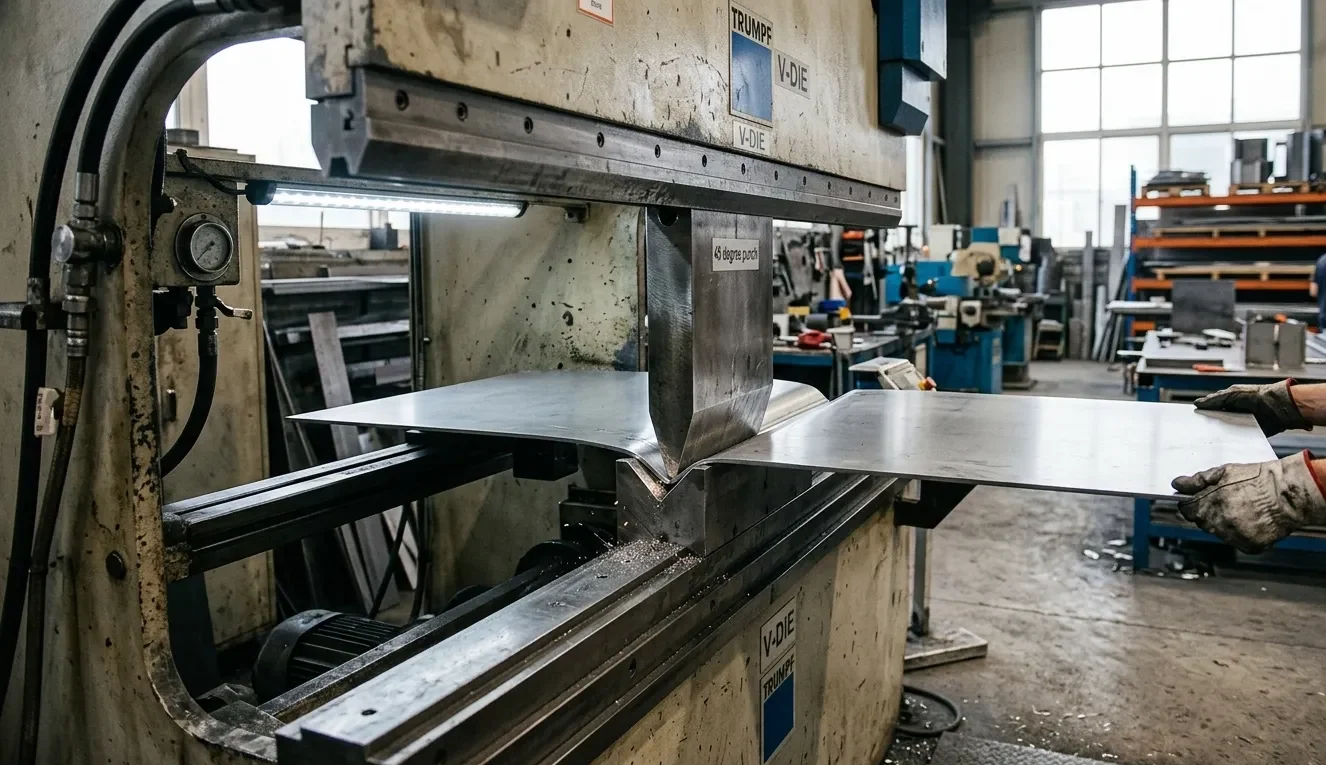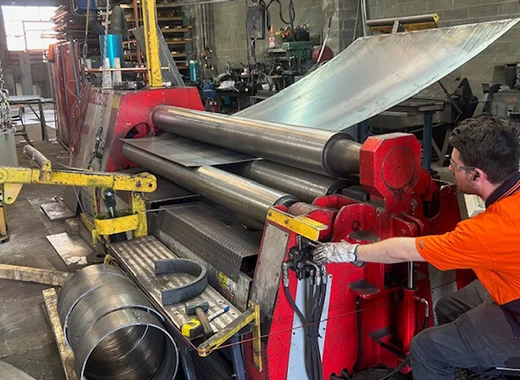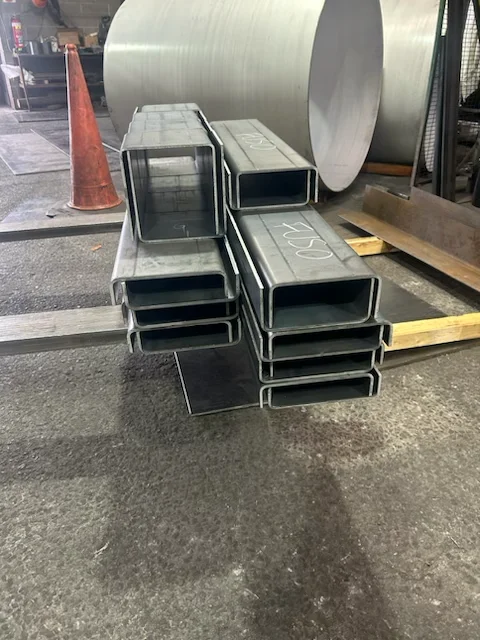
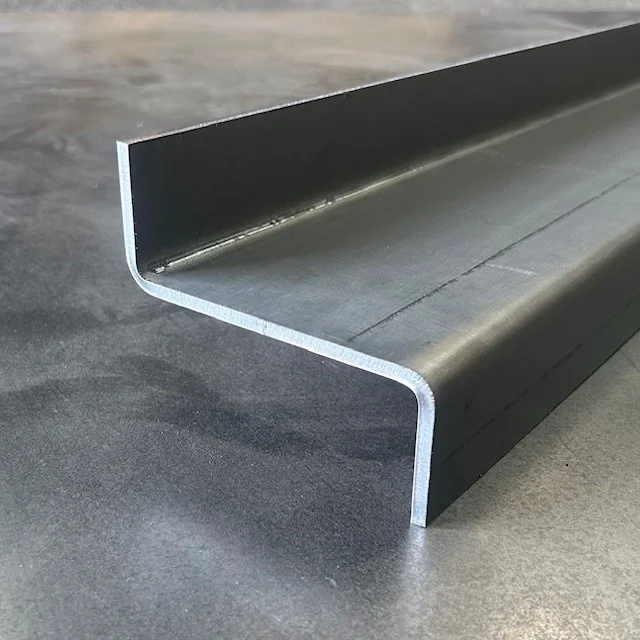
Improve sheet metal production with smarter design for metal bending. Reduce errors, lower costs, and achieve consistent results on every project.
Metal bending directly influences how efficiently components are manufactured in Melbourne. Design decisions made early determine production cost, turnaround time, and overall part quality. Well-prepared designs allow fabrication to run smoothly with fewer delays and adjustments.
Material Behaviour and Geometry in Metal Bending
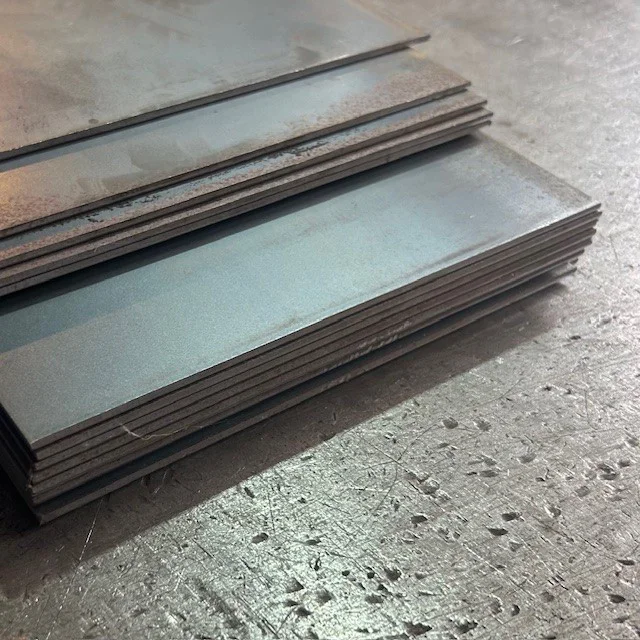
Material behaviour affects how metal bends during forming. Thickness, ductility, and grain direction influence how the material responds to stress, which impacts accuracy and finish. Selecting suitable materials helps maintain consistency and reduces the risk of defects during production.
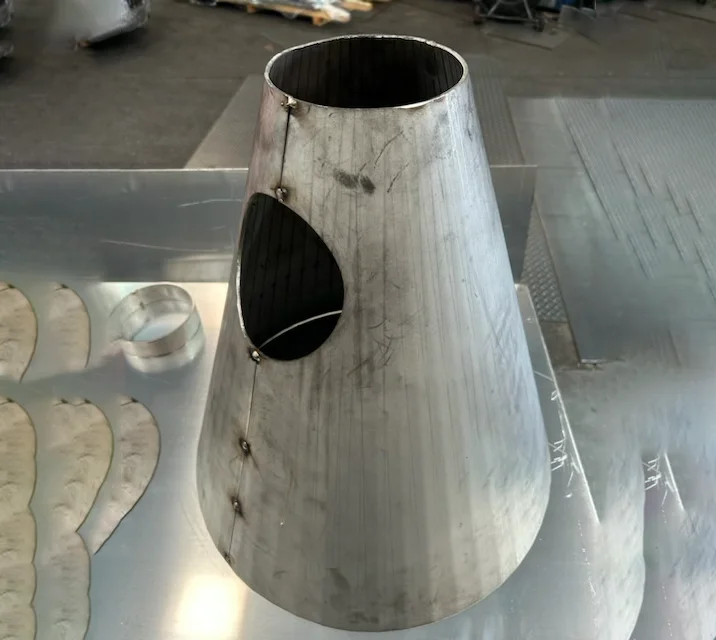
Geometry must reflect real fabrication conditions to avoid production setbacks. Bend allowances, radii, and part orientation all contribute to final fit and accuracy. Practical geometry supports repeatable results and reduces the need for rework across production runs.
Design for Manufacture Checklist for Better Results
Clear design rules support efficient fabrication and reduce unnecessary costs. Small improvements at the design stage often lead to faster turnaround and fewer production issues.
Use this checklist to improve manufacturing outcomes:
- Minimum bend radius: Apply a radius equal to or greater than material thickness to reduce stress during forming. This improves durability and prevents cracking across repeated bends.
- Hole placement: Keep holes and slots away from the bend zone to prevent distortion. Proper spacing maintains feature accuracy after forming.
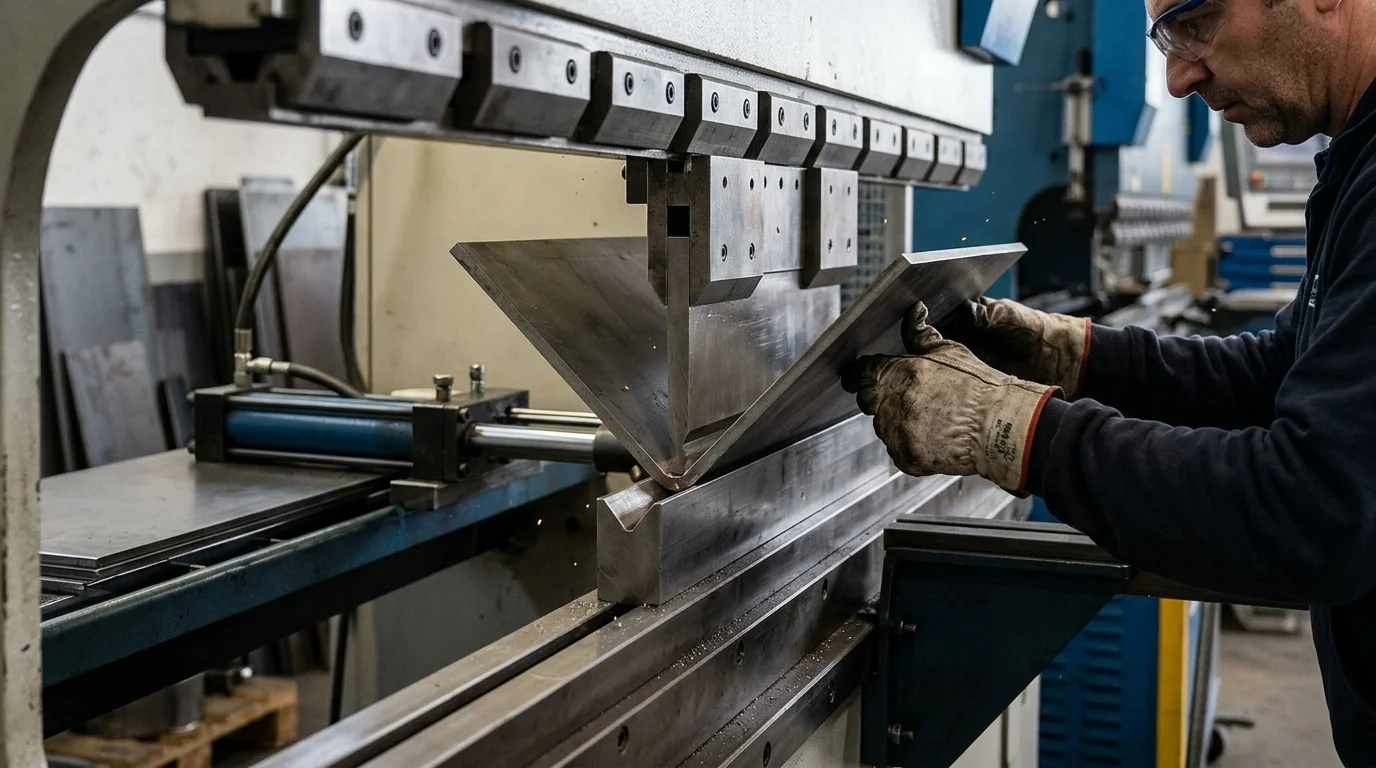
- Flange length: Ensure flanges are long enough for press brake tooling to grip securely. Adequate length improves bending precision and handling control.
- Bend relief: Add small notches at bend corners to prevent tearing and material deformation. This supports cleaner finishes and consistent edge quality.
- Tolerance planning: Set realistic tolerances that match fabrication capabilities. Balanced tolerances reduce rework and improve production efficiency.
Improving Production Efficiency Through Better Design
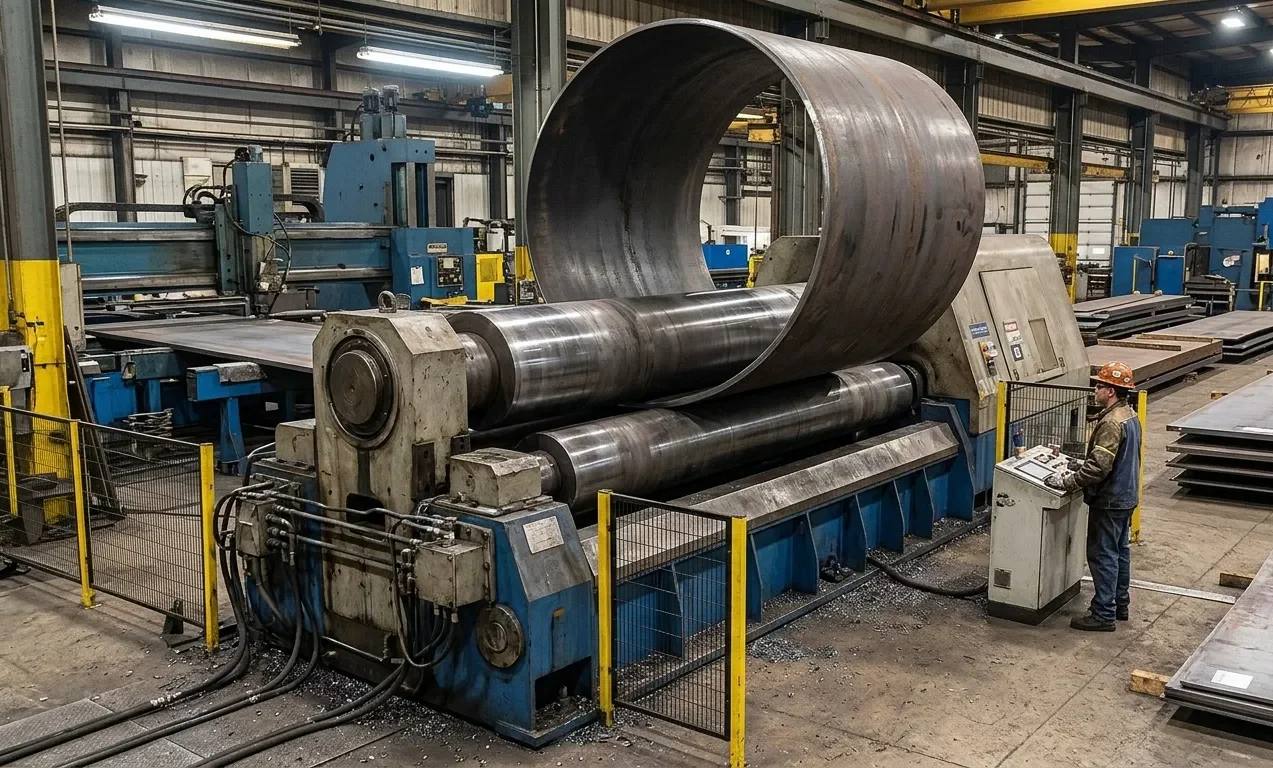
Well-considered design improves how steel bending integrates into manufacturing workflows. Efficient layouts reduce handling time and minimise the need for secondary processes, which helps lower fabrication costs. Clear and practical specifications support faster turnaround and more predictable production timelines.
Australian compliance requirements contribute to safe and reliable fabrication outcomes. At Kibo, our metal bending processes align with recognised standards such as Safe Work Australia guidance, ensuring each project meets industry expectations while maintaining operational safety.
Our team engages early in the design phase to help prepare components for efficient fabrication. Practical input highlights adjustments that minimise delays, optimise material use, and support smooth production. This approach helps maintain cost control and consistent outcomes across every project.
Better Metal Forming Outcomes in Melbourne
Design decisions made early can reduce fabrication costs, minimise delays, and improve overall production efficiency. Components prepared for manufacturing move through production with fewer revisions and more predictable results.
At Kibo, we help businesses in Melbourne refine designs for metal bending so parts are easier to manufacture and more cost-efficient. Our team ensures accurate forming, controlled material use, and smoother turnaround from design through to production, helping reduce rework and keep projects on track.
Get your design reviewed before production starts. Contact us now and secure efficient, cost-controlled steel bending for your project.
Related Blog Article:
How Custom Metal Fabrication Solves Complex Manufacturing Challenges