KIBO Fabrication shares metal fabrication design tips for engineers seeking clear quotes, practical production planning with less rework in Melbourne.
Practical metal fabrication design tips turn an approved concept into a drawing our workshop can quote and fabricate with fewer clarifications. For engineers, the essentials are complete dimensions, specified materials, workable tolerances and clear forming or assembly notes.
Metal Fabrication Design Tips Engineers Can Apply Before Quoting
A fabrication-ready drawing tells us what the part must do and what must be controlled during production. It should identify the material grade and thickness, critical dimensions, finish, quantity and any interfaces with other components. Reference views and revision details also keep the current scope clear.
Our metal fabrication design tips start with function. Mark the dimensions that affect fit, alignment or assembly instead of applying an unnecessarily tight tolerance to every feature. Practical tolerances allow us to assess suitable cutting, folding or rolling processes and quote the work against the actual requirement.
What Drawing Details Reduce Fabrication Rework?
Rework is less likely when the drawing package removes ambiguity before material is processed. Engineers should check the following details before issuing files for quotation:
- Dimensions and datums: Show complete measurements, consistent reference points and the critical dimensions used for inspection.
- Material specification: State the grade, thickness and finish so our quote reflects the intended material and processing.
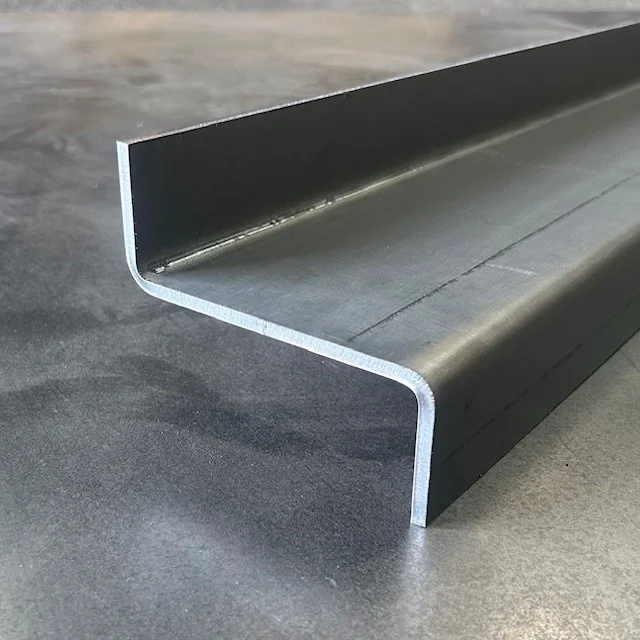
- Bends and formed features: Identify bend direction, relevant angles, radii and feature positions that may affect tooling access.
- Joining and assembly: Indicate required joints, component relationships and fit points without leaving assembly intent to assumption.
- Revision control: Use a clear revision number and issue date so quoting and fabrication follow the approved drawing set.
How KIBO Fabrication Reviews Parts for Workshop Production
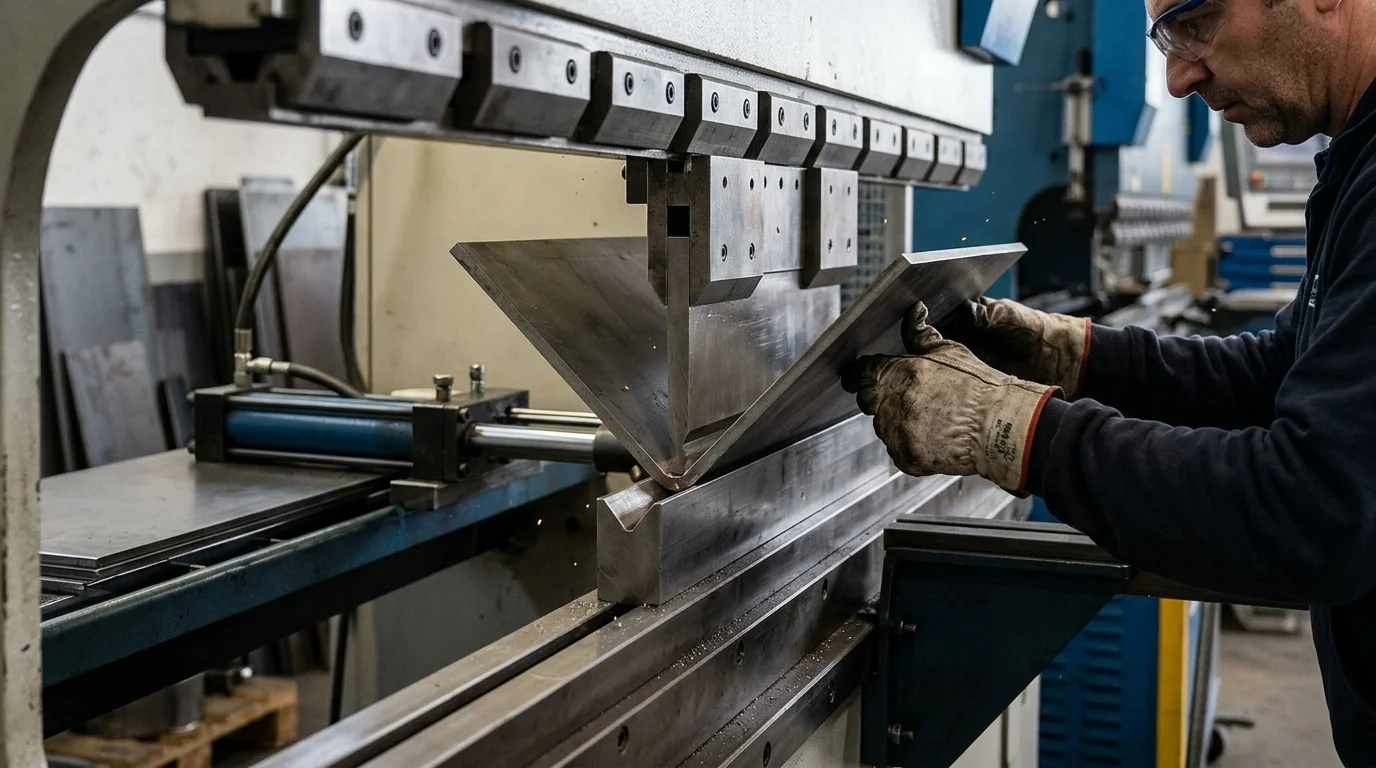
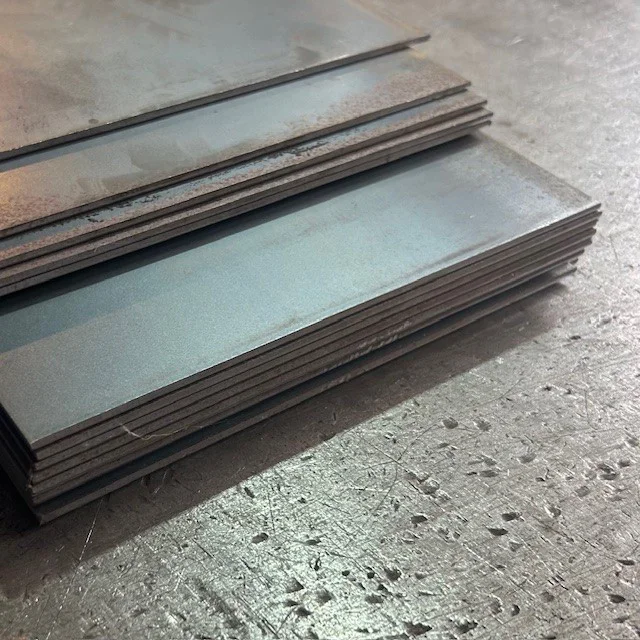
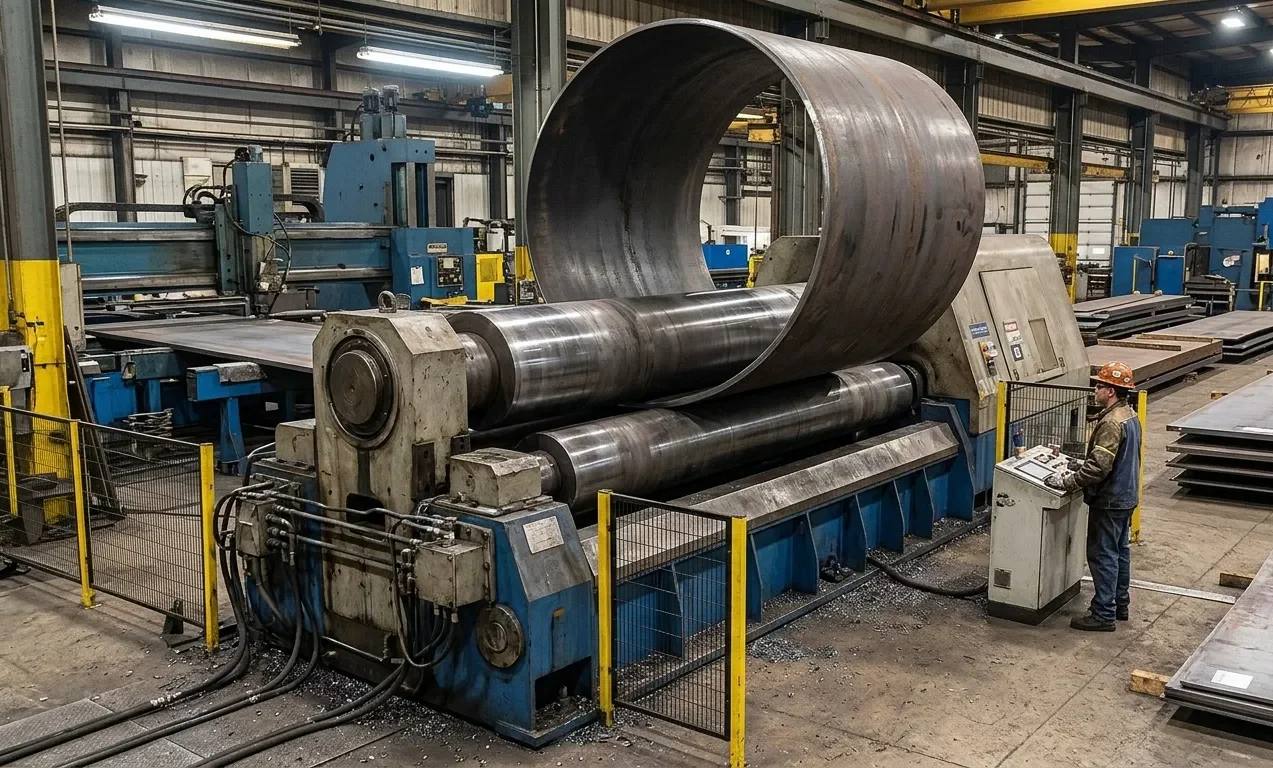
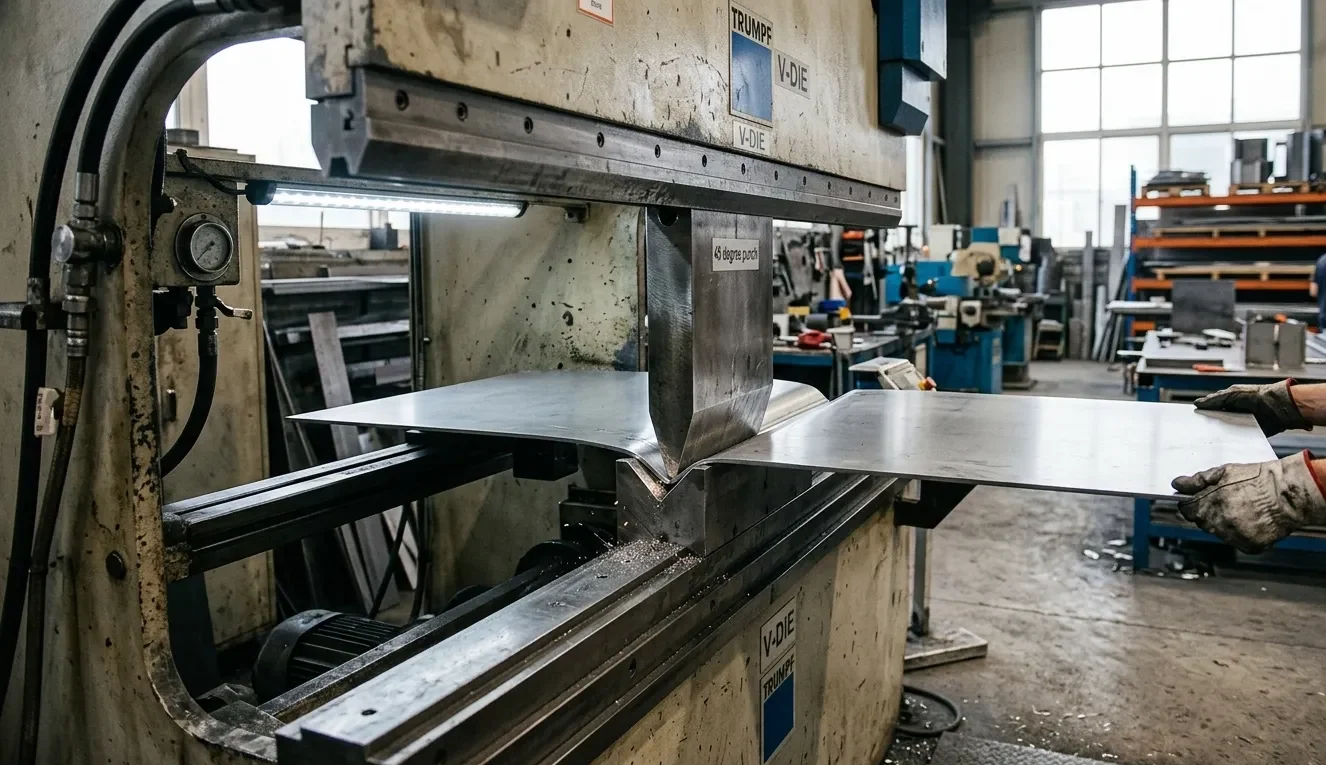
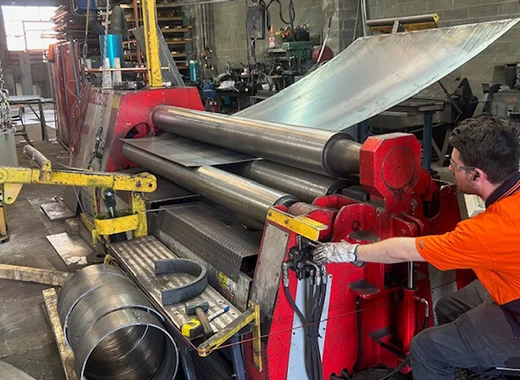
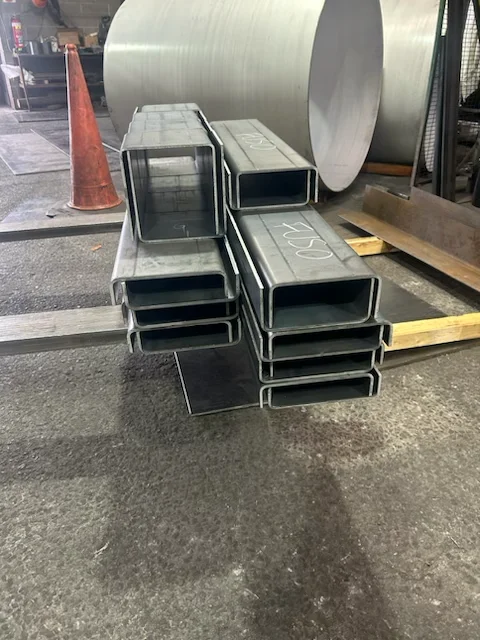
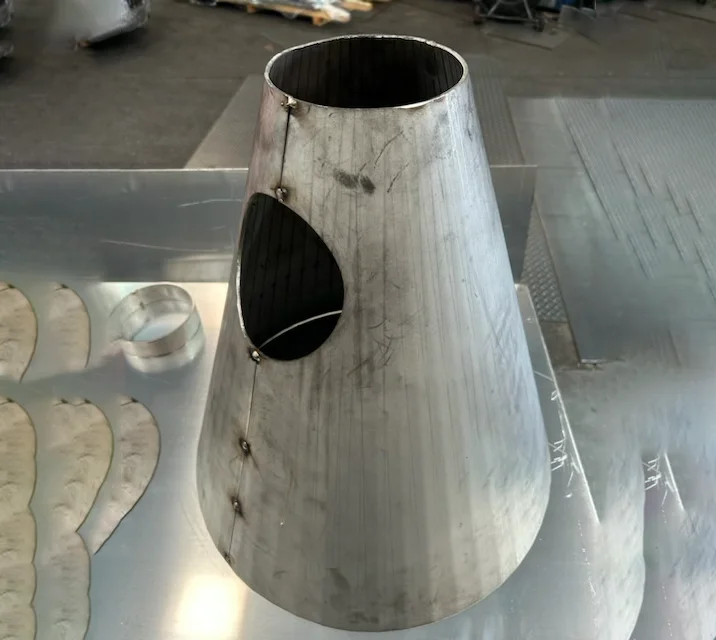
We review supplied information against the fabrication processes relevant to the part. KIBO Fabrication’s verified capabilities include guillotine cutting, brake press forming and metal rolling for specified materials and dimensions. Our metal rolling services can also form curved components when the drawing, material and required radius suit our equipment.
The review is a practical fabrication check, not a substitute for the client’s engineering certification or design responsibility. We may query missing dimensions, unclear tolerances, material availability or features that affect access and forming.
Workshop layout also affects safe material movement and process flow. WorkSafe Victoria’s metal fabrication work layout and design guidance explains how planned work areas can reduce handling risks and improve movement through a fabrication workplace.
How Clear Drawings Improve Quotes and Lead-Time Planning
A complete drawing package lets us assess material, setup and processing requirements earlier. That supports a more accurate quotation and a realistic production discussion. It also limits delays caused by conflicting files, late dimensional changes or unspecified finishes.
Engineers can strengthen an enquiry by sending the current drawings, required quantity, material specification, finish, delivery location and target timing. Our precision metal fabrication capabilities in Melbourne cover industrial and commercial requirements supported by the services listed on our website.
Move Fabrication-Ready Parts Forward in Melbourne
Applying these metal fabrication design tips before quotation gives our team a cleaner basis for reviewing the job. Send us your current drawings and project requirements through our quote enquiry form for an initial fabrication assessment.