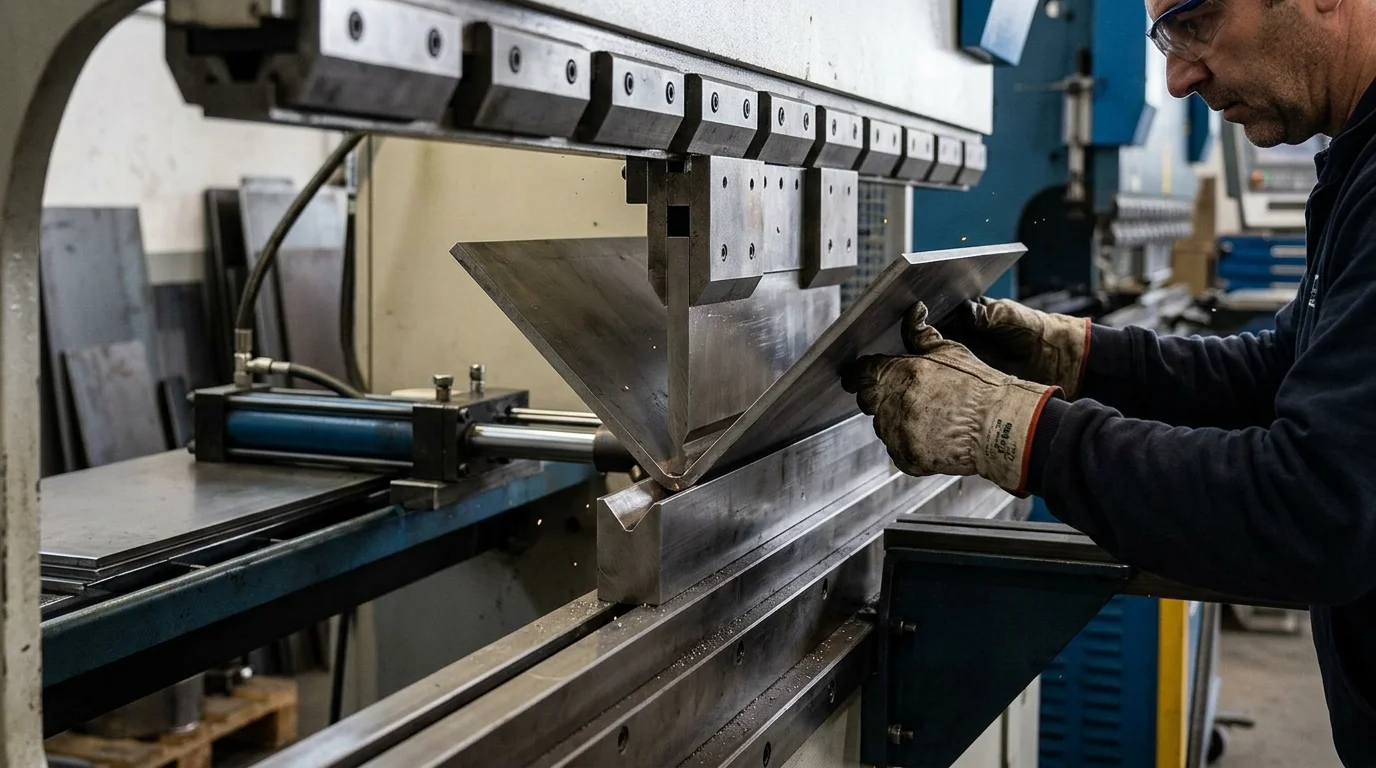
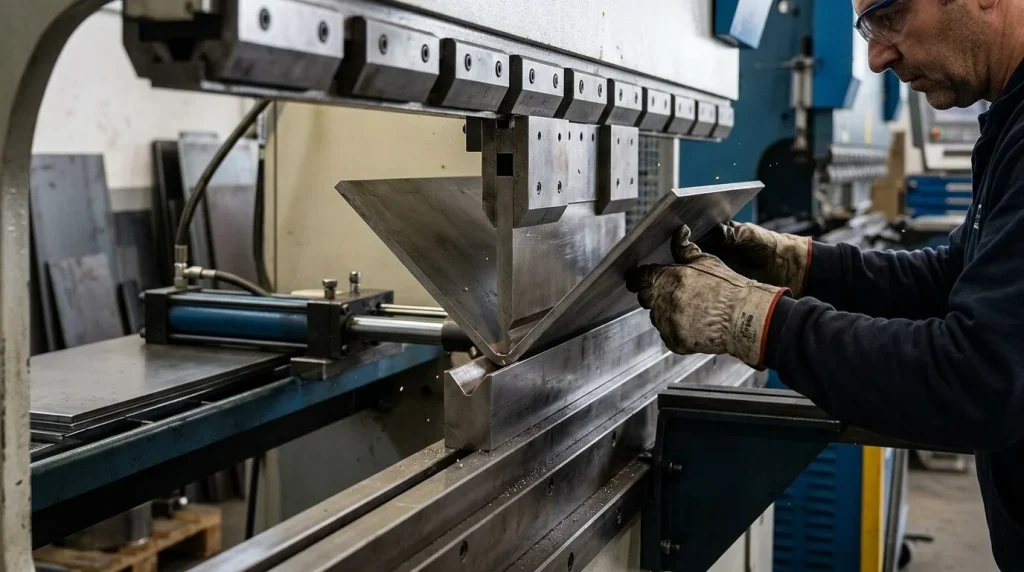
Keep fabrication projects moving with press brake bending by KIBO Fabrication in Melbourne for accurately formed metal components and repeat production.
Accurate folded components depend on more than machine capacity. Press brake bending should start with complete drawings, confirmed materials and practical bend requirements so finished parts can move into welding, assembly or installation with fewer avoidable adjustments.
What Should Be Confirmed Before Press Brake Bending Starts?
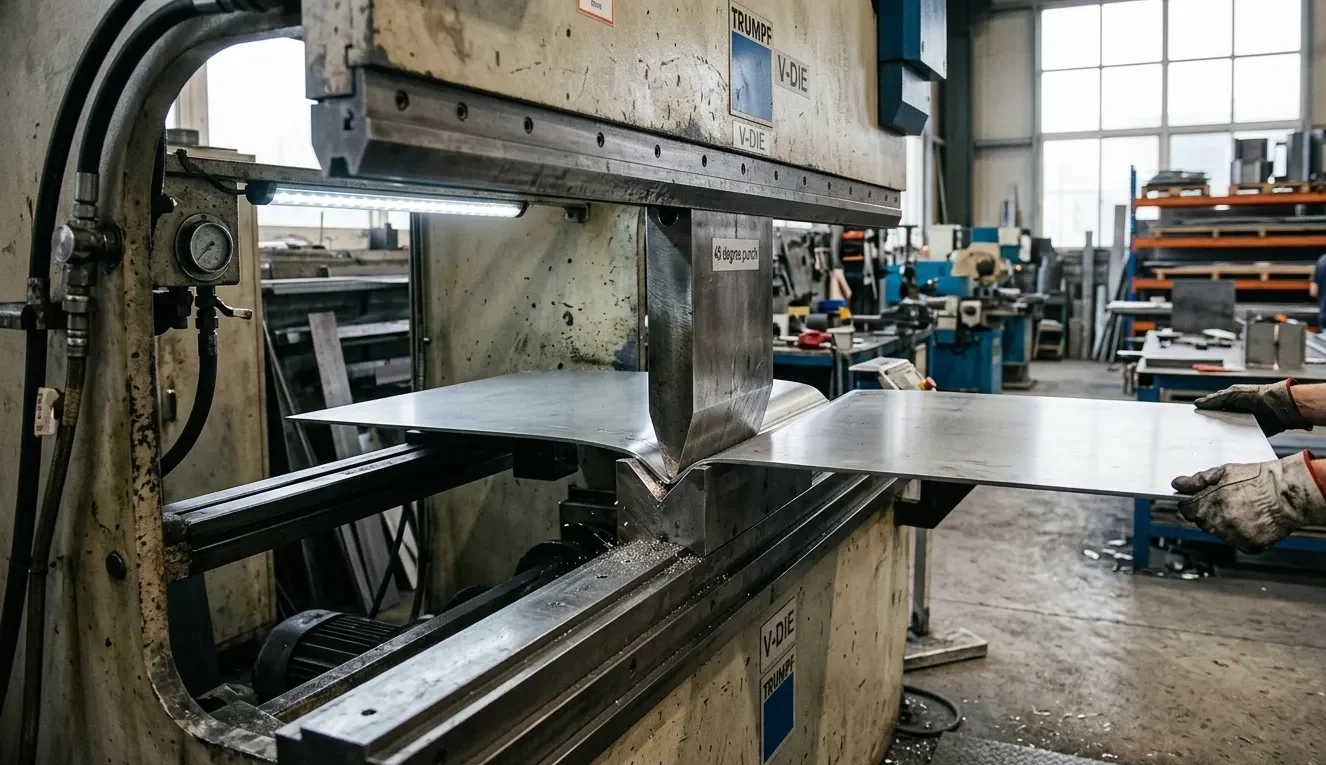
The fabrication team needs clear drawings showing material grade, thickness, bend locations, finished dimensions and critical tolerances. We use three brake presses from 150 to 250 tonnes, with capacity for components up to 5,000 mm long. Quantity should also be confirmed early, as prototypes and repeat production runs may require different setup and checking processes.
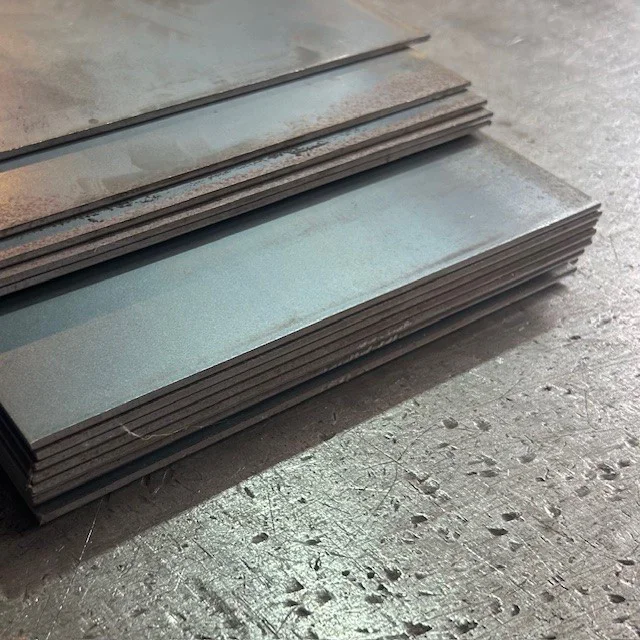
We work with materials including mild steel, Strenx, Hardox, stainless steel and aluminium. Material behaviour varies during forming, so the required bend radius and tooling approach should reflect the specified material rather than relying on a generic setup.
Project Details That Improve Folding Accuracy
Clear fabrication information reduces uncertainty before the first component is formed. Useful details include:
- Material specification: Confirm the grade and thickness shown on the approved drawing, so the forming method suits the material being processed.
- Critical dimensions: Highlight measurements that directly affect mating parts, hole positions, assembly or installation.
- Bend radius: Nominate the required inside radius where it is design-critical or allow the fabricator to review whether the proposed radius is practical for the material and thickness.
- Bend sequence: Complex components may require a planned forming order to avoid interference between previously formed sections and the tooling.
- Production quantity: State whether the job is a prototype, short run or repeat order so production planning can reflect the expected volume.
- Complete drawings: Provide the current revision with dimensions, notes and any required tolerances rather than relying on sketches or verbal instructions.
For buyers preparing components for fabrication, our guide to metal bending and design for manufacturing also explains why bend geometry and component design should be considered before production begins.
Match Brake Press Capacity to the Component
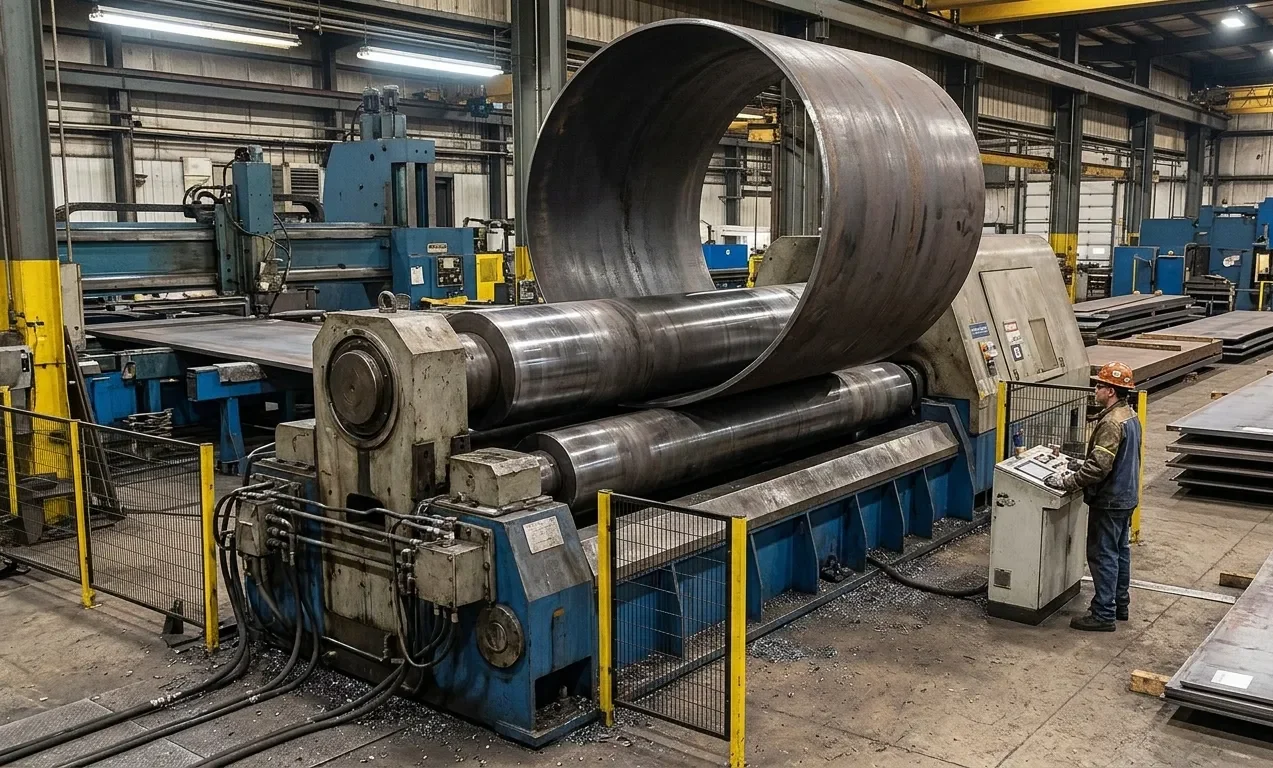
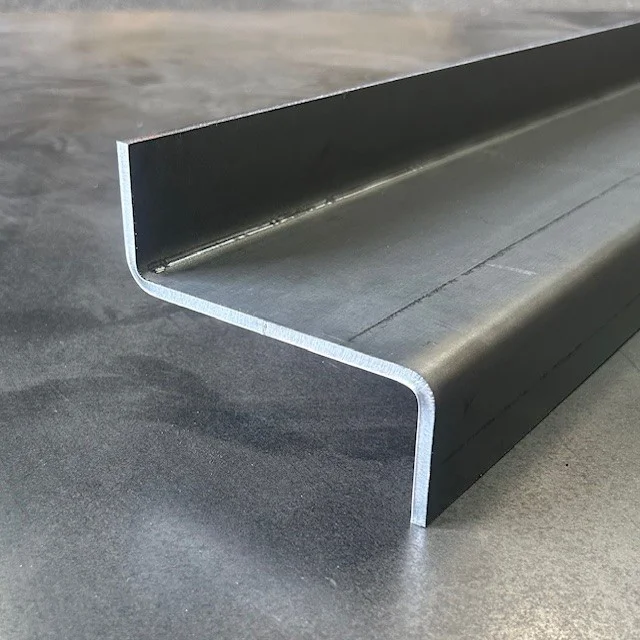
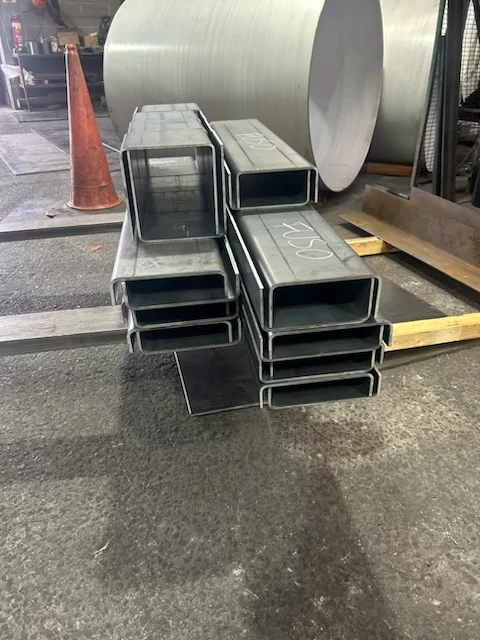
Our metal folding service can process parts up to 5,000 mm long, making it suitable for large panels, guards, machinery housings, architectural elements and custom enclosures where long bends are required.
Job suitability depends on material, thickness, bend length, radius and overall geometry, not length alone. Drawings should be reviewed before tooling, and production methods are confirmed. For repeat parts, consistent setup and checking help reduce dimensional variation during later welding or assembly.
Work on power press machinery also requires controlled operating procedures. WorkSafe Victoria’s power press guidance covers guarding, inspection, maintenance, operator training and safe operating practices for press equipment.
Prepare Precision Components for the Next Fabrication Stage
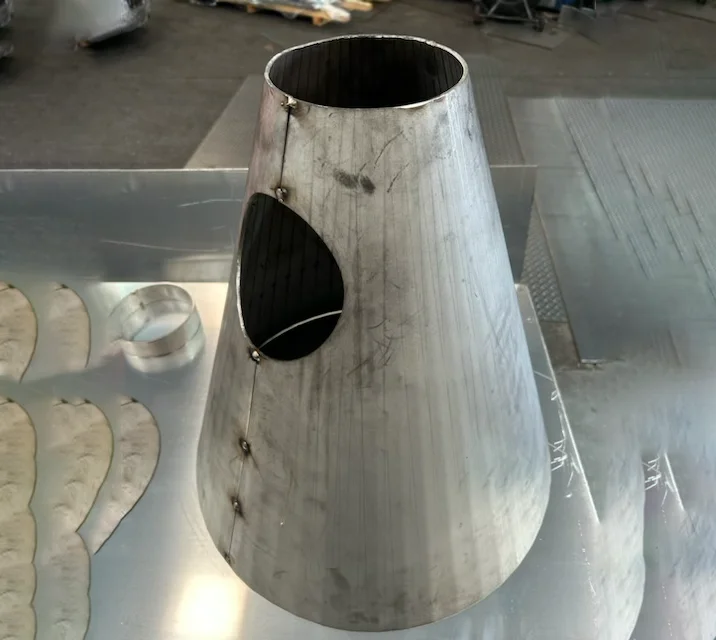
Press brake bending works best when the finished component is considered as part of the wider fabrication process. Hole locations, adjoining parts, welding requirements and final assembly can all influence which dimensions deserve the closest attention during folding.
KIBO Fabrication provides folding and broader metal fabrication services in Melbourne for manufacturers, engineers, builders and industrial clients. If you need folded components produced from supplied drawings, send us the material specification, quantity and current drawing revision.
Request a quote for your next press brake project so our team can review the component requirements before production begins.