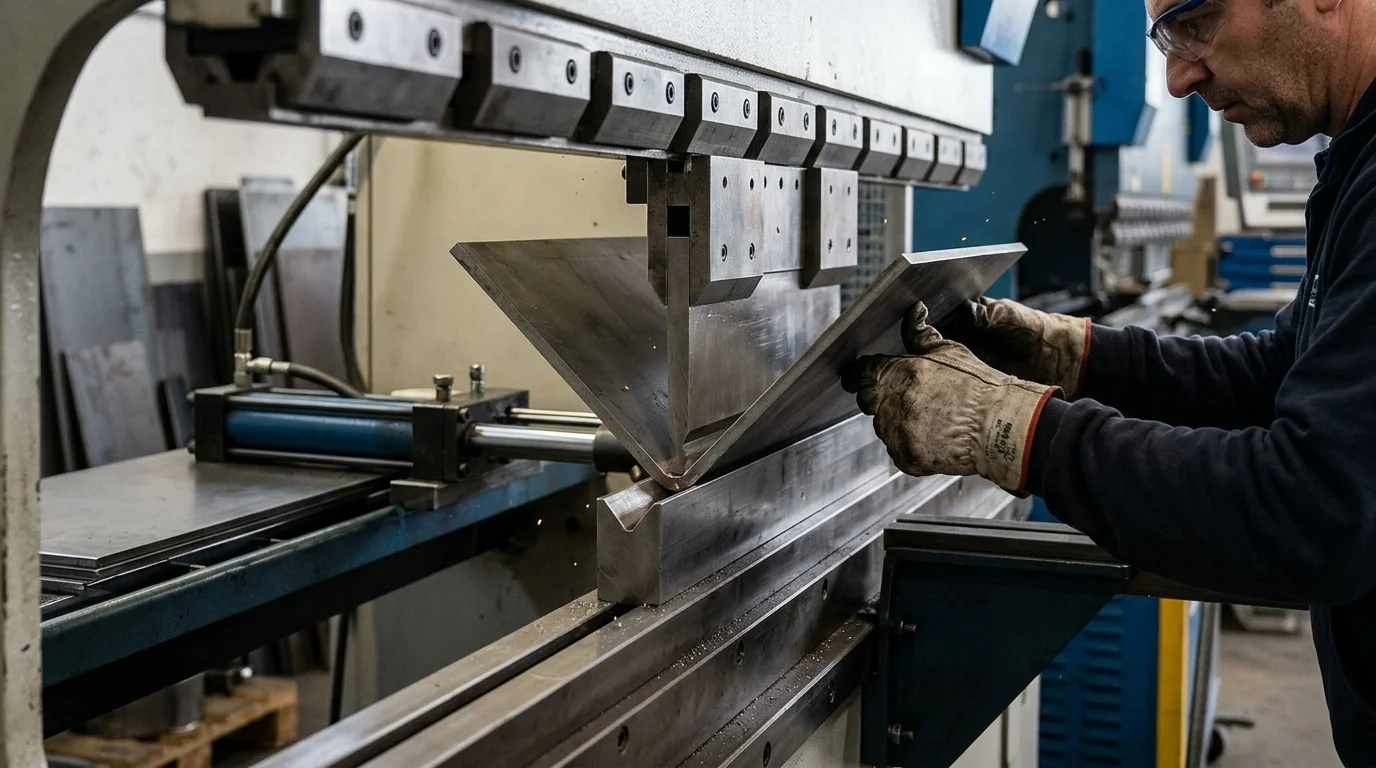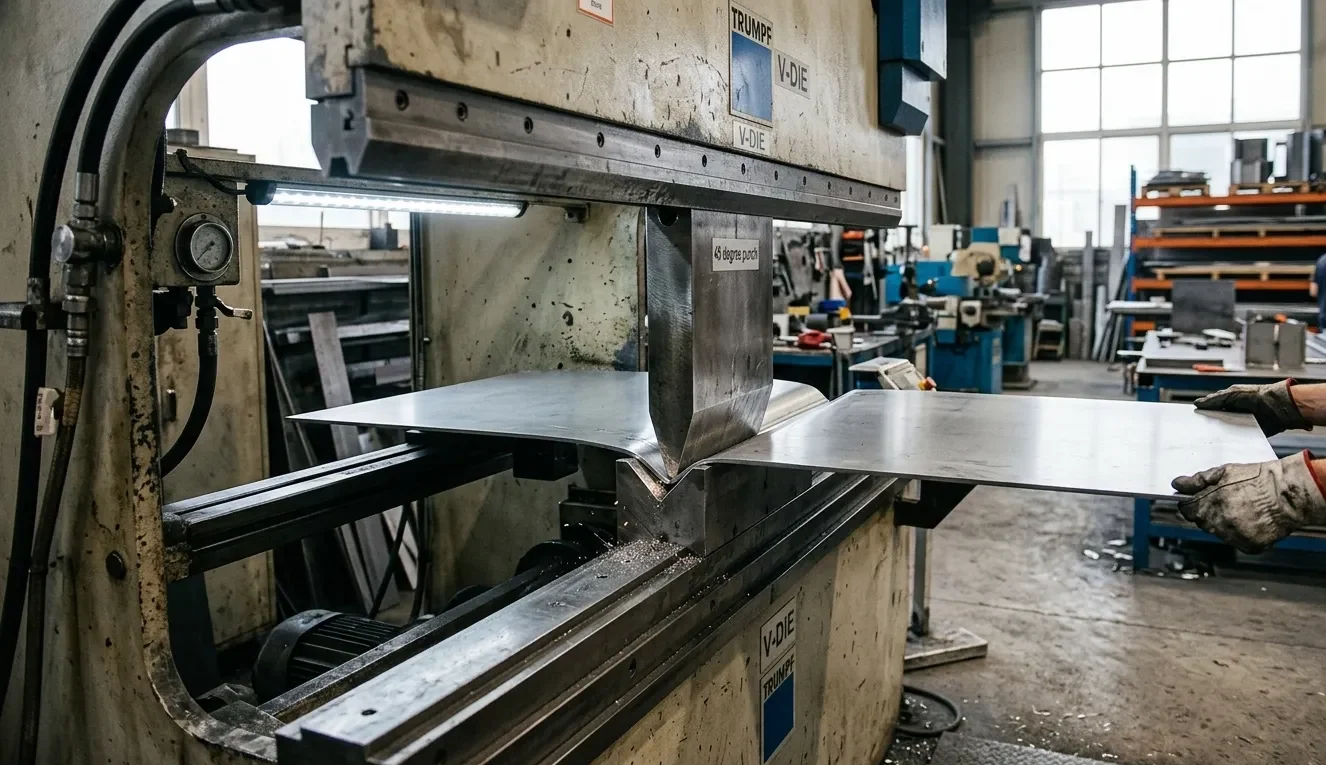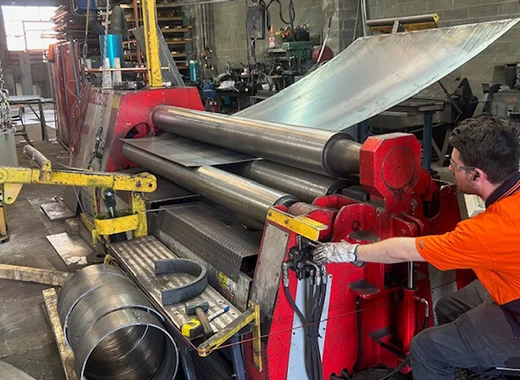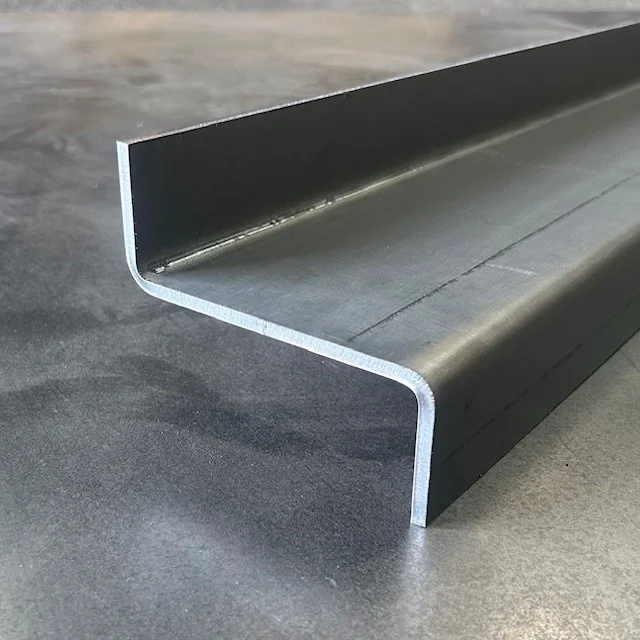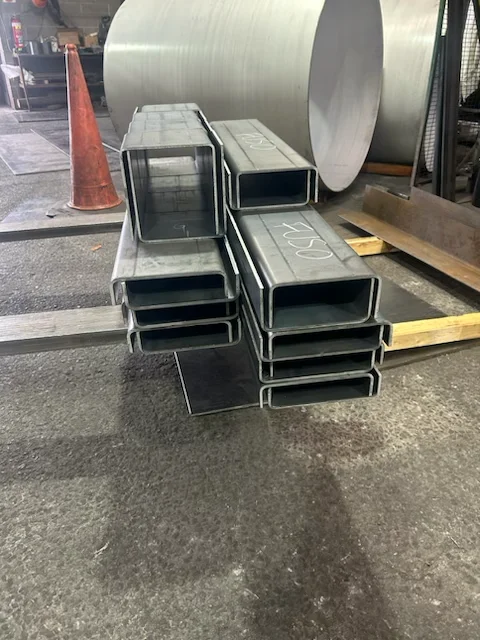

Manage Hardox springback with Kibo Fabrication’s press brake services in Melbourne for accurate bends, reliable fit, and fewer costly job corrections.
Hardox plate can return towards its original shape after forming, which can shift the finished angle and disrupt component fit. Our press brake services account for springback, bend direction and tooling selection before production starts.
Accurate results begin with complete drawings, confirmed material details and realistic tolerances. We review these inputs so the proposed setup suits the component rather than applying a generic program.
How Press Brake Services Control Hardox Springback
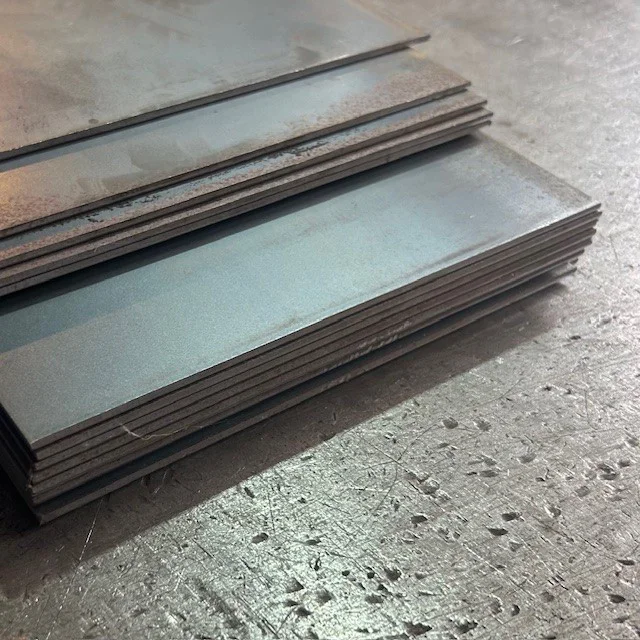
Hardox usually produces more springback than conventional mild steel because of its high strength. The final movement varies by grade, thickness, bend radius, rolling direction and target angle, so one correction value cannot cover every job.
We plan the bend sequence and select tooling around the supplied specifications. Controlled overbending may compensate for expected recovery, while an initial check can confirm the angle before the remaining components proceed.
Our approach to press brake bending also considers how the formed part must fit into the wider assembly. This reduces avoidable corrections, but it does not pretend that normal plate variation can be eliminated.
What Determines Hardox Bend Accuracy?
Bend accuracy depends on the material data, component geometry and machine setup working together. The following factors deserve attention before Hardox reaches the press brake:
- Hardox grade: Different grades can require different bend radii, forces and springback allowances.
- Plate thickness: Thicker plate generally needs greater force and a wider die opening for controlled forming.
- Rolling direction: The bend line should follow the plate manufacturer’s guidance to limit cracking risk.
- Tooling selection: Punch radius and die width influence force, inside radius and the finished surface.
- Part geometry: Short flanges, holes and cut-outs near the bend can restrict the safest forming sequence.
Research into sheet-metal bending shows that higher material strength can intensify springback, while sheet thickness and die radius affect the final deviation. The peer-reviewed Experimental and Numerical Analysis of Springback study supports reviewing material and tooling variables before production.
How We Prepare Hardox Components for Consistent Bends
We check the Hardox grade, thickness, bend angle, inside radius and relevant tolerances against the drawing. Hole locations, notches and flange lengths also matter because features positioned too close to the bend may affect feasibility or sequencing.
Kibo Fabrication lists three machines from 150 to 250 tonnes and pressing capability up to 5,000 mm long, subject to material and job requirements. Our work includes Hardox, Strenx, mild steel, stainless steel and aluminium processing.
Long components require more than sufficient machine length; handling, tooling load and part geometry must remain suitable. Our article on 5,000 mm press brake folding explains the drawing information needed for an early fabrication review.
Request a Hardox Bending Review in Melbourne
Controlled Hardox bending starts before the plate enters the machine. Our team reviews the supplied drawings, material requirements and component dimensions to establish a practical production approach without promising unsupported tolerances.
Send us your drawing, Hardox grade, thickness, quantity and required completion date for an informed assessment. Contact us for a fabrication review and quote so we can confirm whether our press brake services in Melbourne match your component requirements.