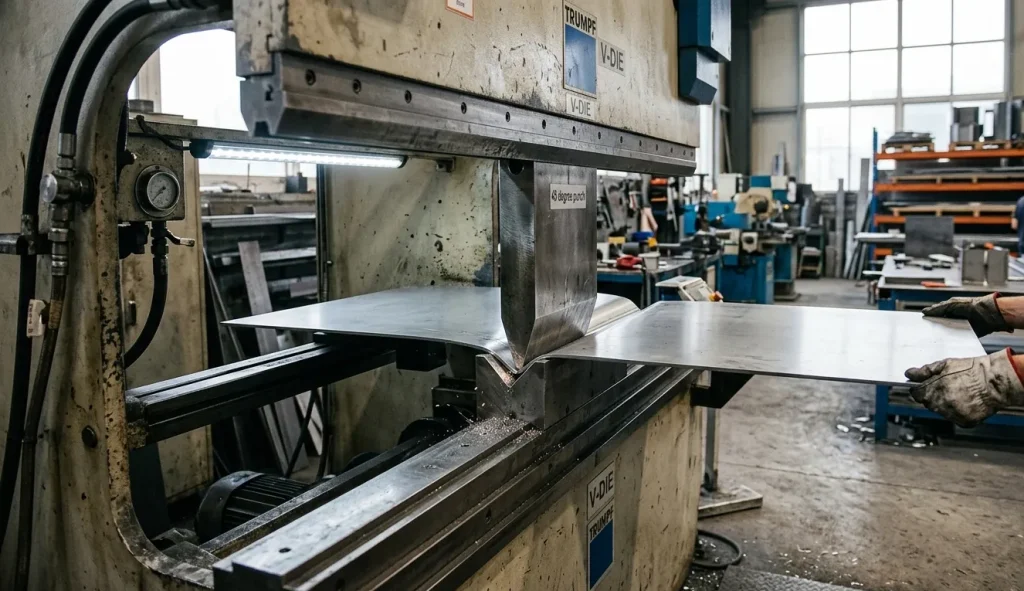
Order press brake folding in Melbourne for components up to 5,000 mm long—send Kibo your drawings for a fabrication review.
Long panels and extended components can become expensive when a workshop must split, weld and rework them. Kibo provides a documented extended-length folding capability that gives Melbourne buyers a more direct fabrication option.
What Is Extended-Length Press Brake Folding?
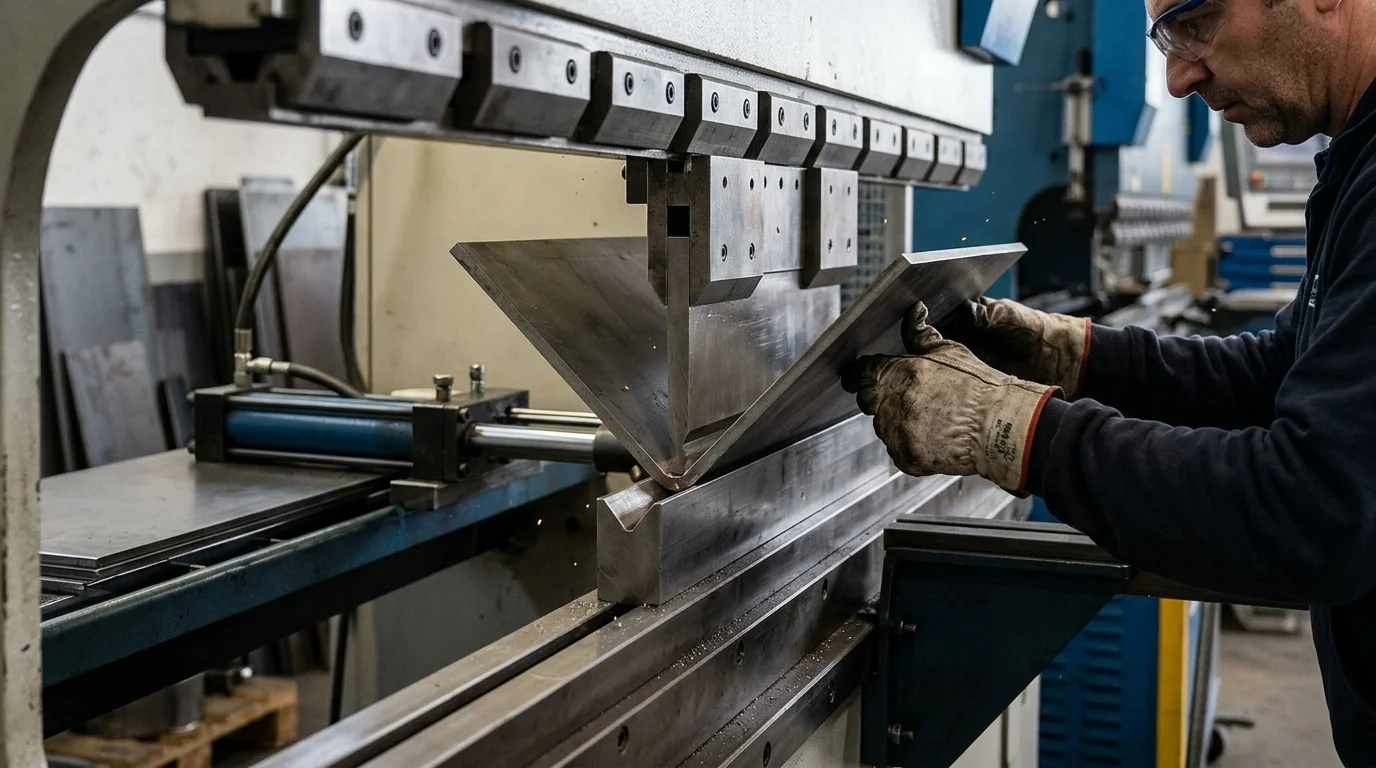
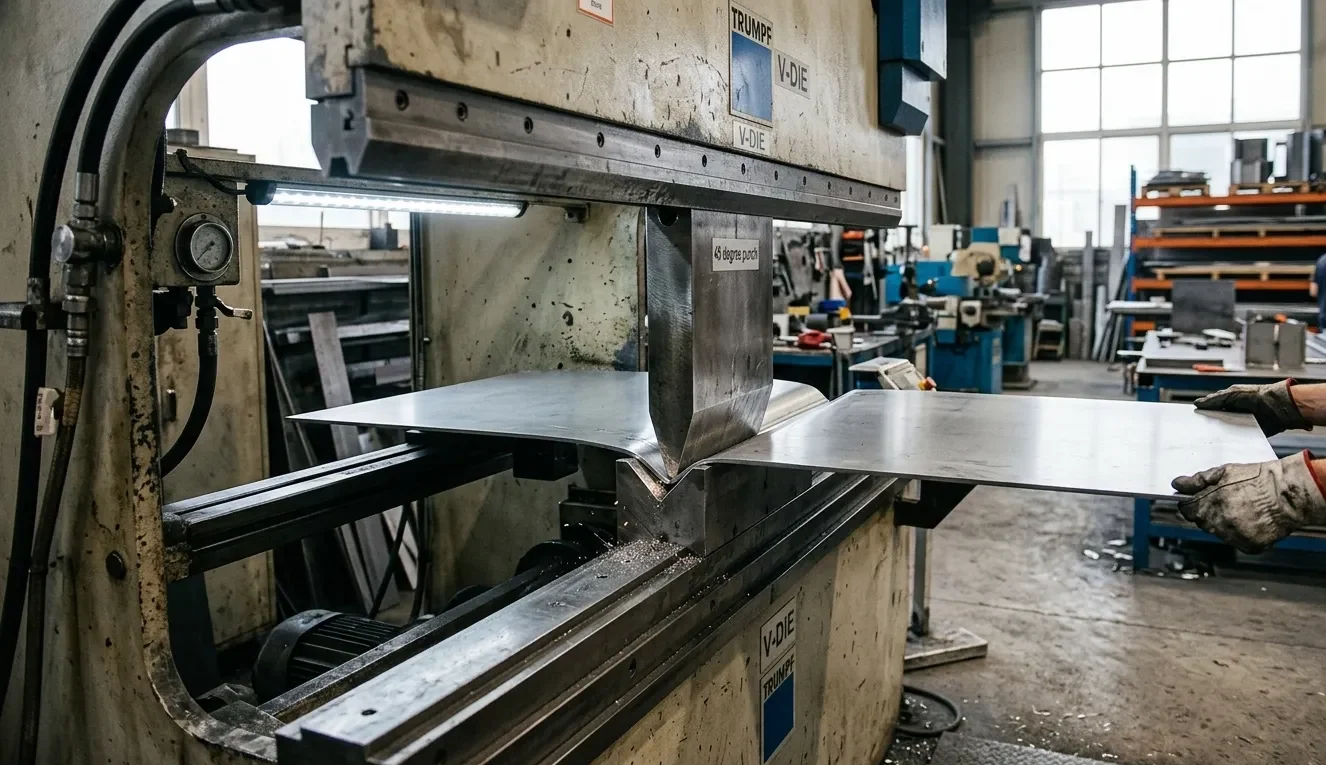
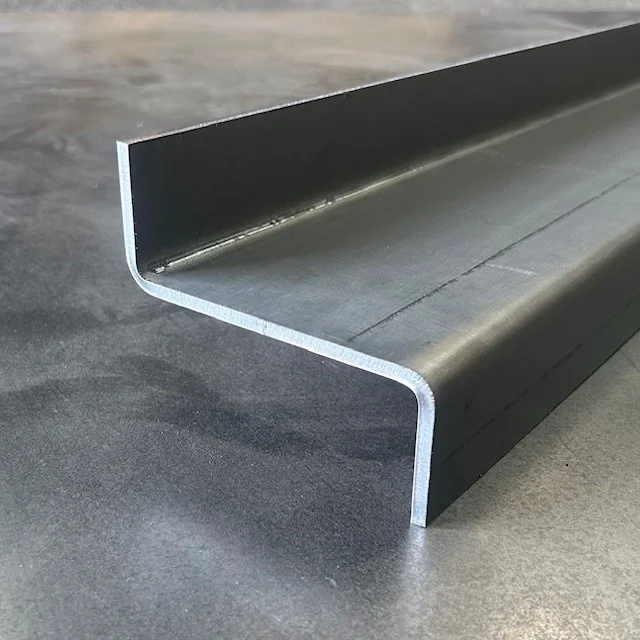
Extended-length press brake folding forms sheet or plate into specified angles across a longer bend line. Kibo’s press brake folding service handles components up to 5,000 mm long, subject to material, thickness, bend geometry, tooling and machine capacity.
That qualification matters. Length alone does not determine whether a part can be formed. A fabricator must review the drawing, bend sequence, material grade and required tolerances before confirming production.
When Does a 5,000 mm Folding Capacity Add Value?
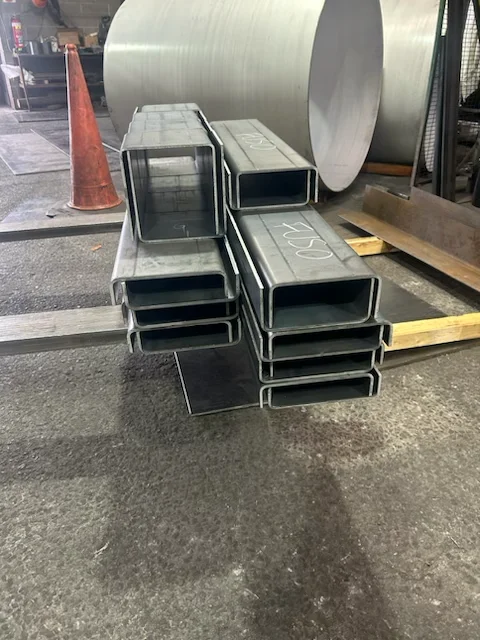
Longer folding capacity can reduce fabrication steps when a component would otherwise require several shorter sections. It is relevant to buyers ordering:
- Industrial enclosures and long protective guards
- Architectural panels and folded features
- Transport and manufacturing components
- Machinery housings and equipment covers
- Repeated folded parts supplied from approved drawings
Producing a component in fewer sections may reduce welded joins and associated finishing. It does not automatically make every part cheaper or stronger; the outcome depends on the design, material and fabrication sequence.
Materials Kibo Can Fold
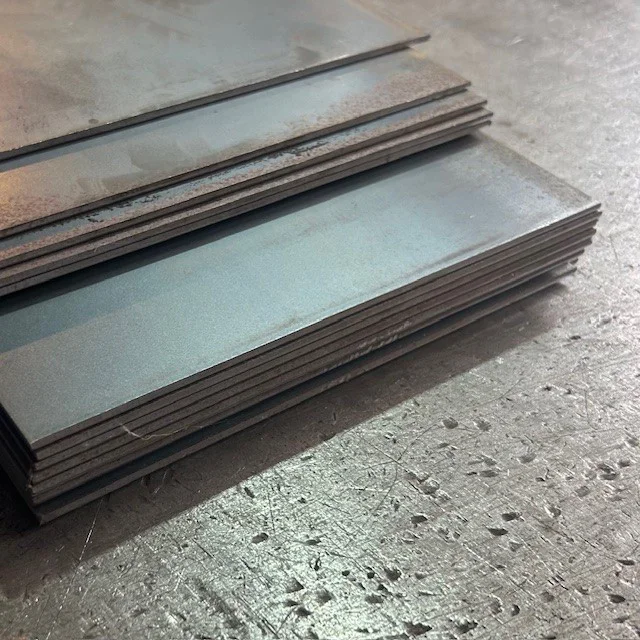
Kibo publishes brake press capability for mild steel, Strenx high-strength steel, Hardox wear-resistant steel, stainless steel and aluminium. Each material behaves differently during forming. Springback, bend radius, grain direction, surface finish and tooling contact can all affect the result.
For visible stainless-steel or aluminium components, advise whether cosmetic marking is acceptable. For Hardox or Strenx, provide the exact grade and thickness rather than describing the material only as high-strength steel. These details help the fabricator assess the job accurately.
What Should You Send for a Folding Quote?
A useful request should include:
- A dimensioned drawing or compatible digital file
- Material grade, thickness and proposed finish
- Overall blank size and finished dimensions
- Bend angles, inside radii and critical tolerances
- Quantity, delivery requirement and repeat-order expectations
- Details of any rolling, cutting, welding or downstream assembly
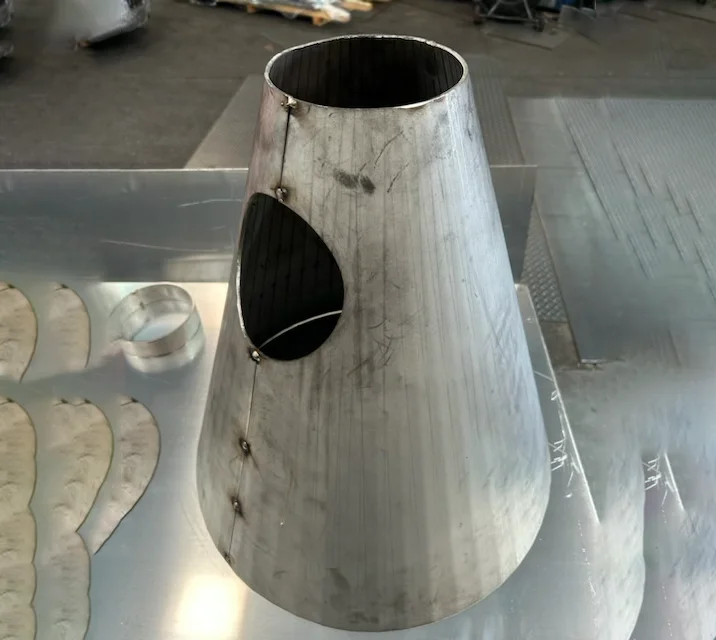
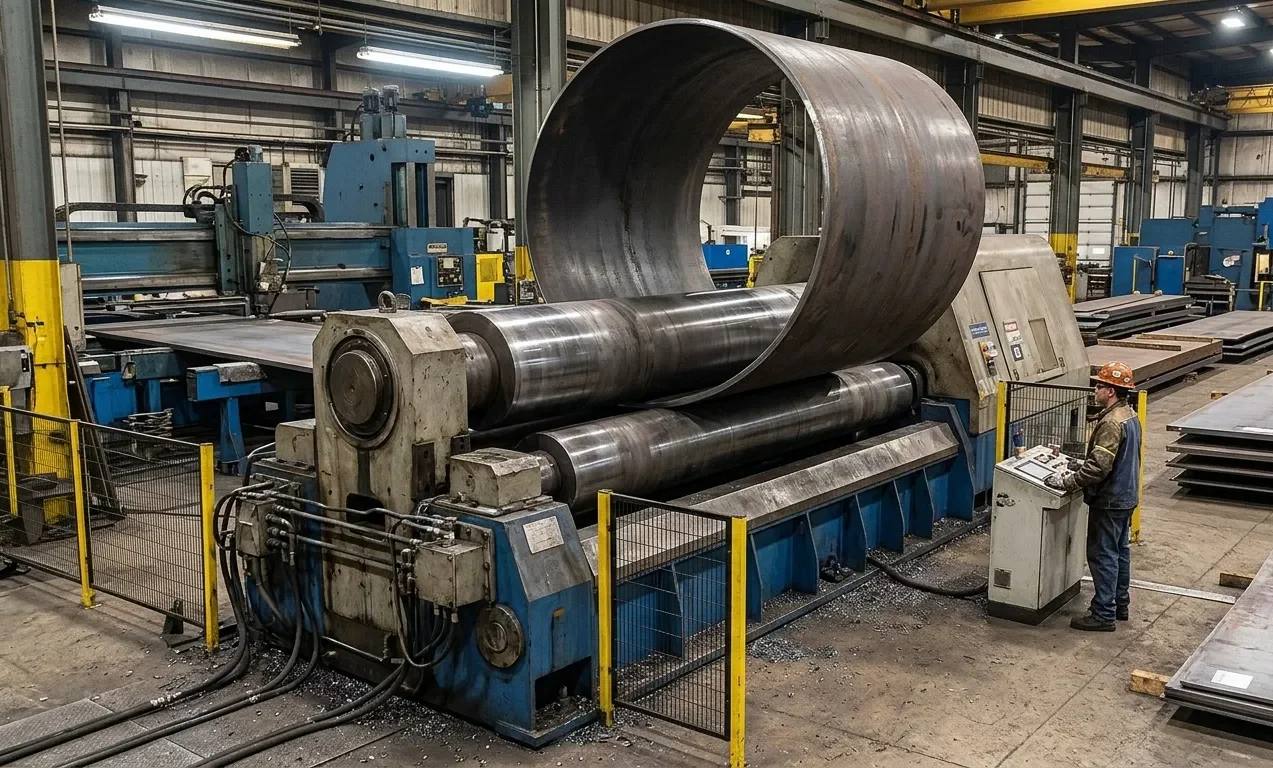
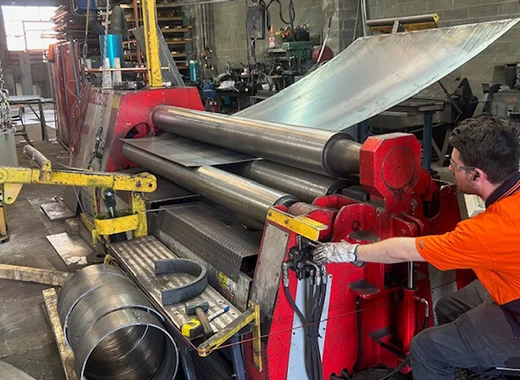
Kibo also provides plate rolling services, so projects involving both curved and folded geometry can be discussed with one fabrication team. Never assume a drawing is manufacturable without review. Safe plant operation and fabrication planning should also reflect the Safe Work Australia plant risk code.
Reduce Rework Before Production Starts
The strongest enquiry is not “How much does folding cost?” It is “Can this exact component be formed from the nominated material, at the required quantity and tolerance?” That question gives the workshop enough context to identify risks before metal is cut.
Kibo operates from Keysborough and supports mining, construction, transport and manufacturing applications. Its verified value is precision forming and extended-length capacity—not vague claims about handling every structural fabrication requirement.
Have a long panel or folded component ready for review? Contact Kibo with your drawings, material details and quantity to confirm feasibility and request a quote.